
Why New Aircraft Deliveries and Advanced Jets Are Driving Changes in Premiums
Nov 29, 2025
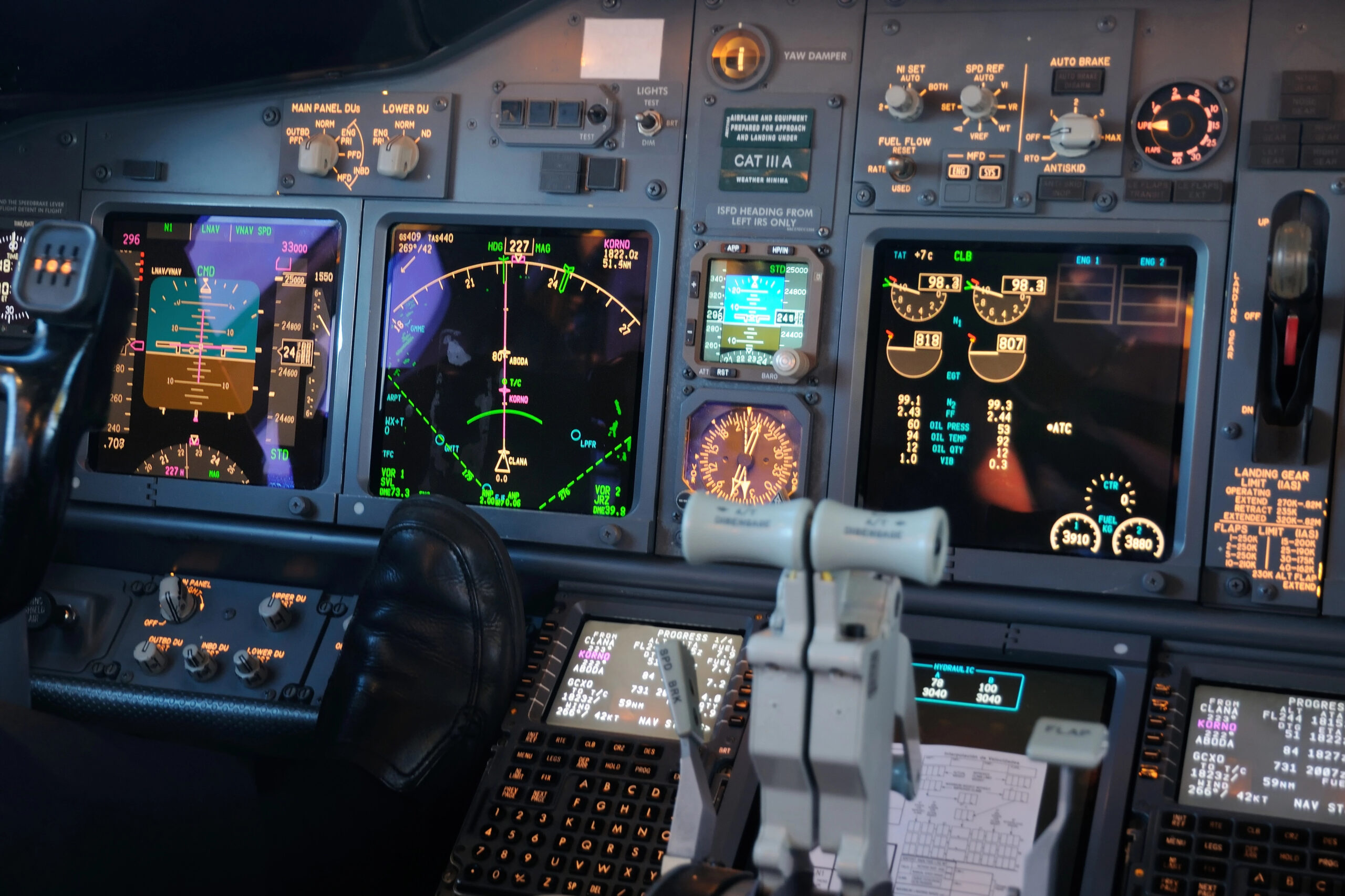
The aviation market in 2025 continues to evolve as new aircraft models enter fleets at a record pace. Modern business jets, upgraded avionics packages, and advanced composite airframes offer improved safety and performance—yet they also bring higher replacement and repair costs. For aircraft owners navigating renewals, these changes can directly influence premiums even when their personal risk remains low. Understanding why this shift is happening can help owners make strategic decisions when insuring newer, more sophisticated aircraft.
Key Takeaways
- Newer aircraft have higher hull values, which increases claim severity
- Advanced avionics and materials raise repair costs
- Insurance carriers are adjusting rates to match modern fleet trends
- Owners can reduce premium impact through risk management and smart planning
How New Aircraft Deliveries Affect Insurance Pricing
New aircraft deliveries surged in recent years, especially among light and midsize business jets. While exciting for buyers, these additions reshape insurance markets in subtle but meaningful ways.
Newer models typically carry significantly higher hull values, and hull value is one of the core factors driving premium calculations. For example, a modern turbojet equipped with advanced connectivity, enhanced flight decks, and composite structures may cost far more to repair or replace than a legacy model.
Insurers adjust their pricing to account for the increased cost of potential losses—not because flying is less safe, but because repairing newer aircraft is more expensive. If you are insuring a business jet through a policy type such as turbo jets coverage, these valuation trends play a direct role in your premiums.

Why Advanced Jet Technology Raises Repair Costs
Today’s aircraft integrate technology that elevates performance, reliability, and efficiency. However, advanced features often come with higher repair and replacement costs. Some key contributors include:
Complex avionics
Glass cockpits, synthetic vision, integrated flight management systems, and fully digital autopilots require specialized technicians and precise calibration. A single damaged component can amount to a sizable claim.
Composite materials
Composite airframes improve fuel efficiency and reduce weight—but require specialized repair facilities and equipment. Even minor structural repairs can take longer and cost more compared to repairs on aluminum structures.
Highly integrated systems
Advanced jets often feature interconnected systems from nose to tail. Damage to one component can necessitate inspections or part replacements across multiple systems.
To protect these modern systems, many owners pair their policy with strong liability and hull coverage, often through options like ground risk hull insurance for storage periods or public liability insurance for operations.
Looking for Guidance on Your Next Aircraft Renewal?
Our team helps aircraft owners navigate emerging trends in valuation and coverage options with clarity and confidence.
Get Renewal GuidanceHow Higher Hull Values Translate Into Premium Adjustments
Insurance premiums correlate closely with the insured value of the aircraft. When new models enter the market with higher prices—and when used aircraft markets heat up—insurers adjust pricing accordingly.
For example:
This does not reflect a change in safety or an increased likelihood of a loss. Instead, it’s a reflection of claim severity—the projected cost of repairing or replacing an aircraft after a covered event.
Owners of turbine rotorcraft also experience similar dynamics as newer rotor-wing aircraft adopt advanced technology. Policies such as turbine rotorwing coverage help safeguard these higher-value assets.

The Influence of Global Supply Chain and Parts Availability
Although manufacturers are delivering new aircraft, supply chain challenges remain. Delays in obtaining specialized parts or avionics components can increase repair times and inflate claim costs.
Consider Your Coverage Mix Carefully
💡 Tip: Owners of newer aircraft may benefit from pairing hull protection with liability coverage such as CSL insurance to simplify limits and enhance protection.
What Owners Can Do To Manage Premium Impact
Even as new aircraft technology influences pricing, owners still have several ways to reduce or stabilize premiums. Consider steps like:
Conclusion
New aircraft deliveries and advanced jet technologies are reshaping the aviation insurance landscape—not because the skies are less safe, but because the cost of repairing and replacing modern aircraft continues to rise. By understanding how hull values, materials, and avionics influence premiums, aircraft owners can make informed decisions about their coverage and manage their long-term insurance costs with confidence.
Need Support Navigating Modern Aircraft Insurance?
We help aircraft owners find the right coverage for today’s advanced jets and evolving market conditions. Reach out to explore your options.
Request Your Personalized QuoteFor informational purposes only.
Ranked Among the Best

We’re proud to have been named in Inc. 5000 fast growth list alongside other growing, inspiring companies.