
Where Aircraft Damage Happens Most Often and What It Means for Your Coverage
May 1, 2026
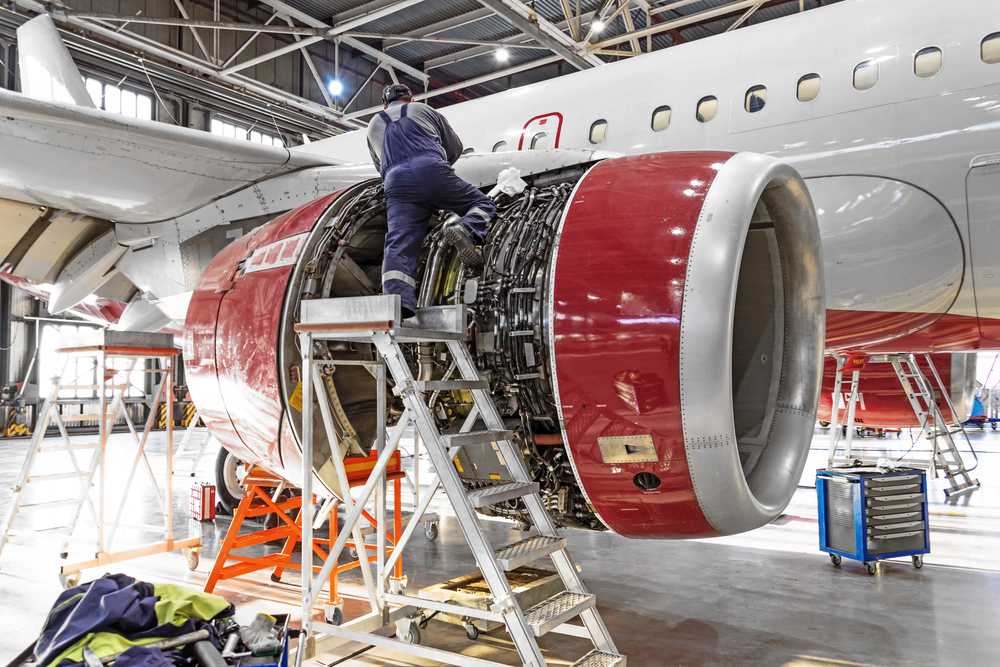
Key Takeaways
- Aircraft damage often occurs on the ground, not just in flight.
- Different situations require different types of aviation coverage.
- Minimum requirements don’t always reflect everyday risk exposure.
- Coverage decisions should align with how aircraft are actually used.
Aircraft ownership involves more than what happens in the air. While in-flight incidents tend to get the most attention, many common sources of aircraft damage occur on the ground, during storage, or while the aircraft is being handled.
Understanding where aircraft damage happens most often helps clarify how aviation insurance is structured. Each environment—whether in motion, parked, or under maintenance—introduces different types of risk. Matching coverage to those realities—not just baseline requirements—is what creates a more reliable protection strategy.
Where Aircraft Damage Happens Most Often
Aircraft damage can occur in several common scenarios, many of which happen during routine operations rather than in flight.
On the Ground
Ground operations introduce frequent, everyday risks that are easy to overlook.
- Taxiing incidents involving other aircraft or airport structures
- Towing damage during repositioning
- Hangar rash caused by tight storage conditions or equipment
These situations often occur at low speeds, but even minor contact can lead to costly repairs due to the complexity of aircraft components. Because they happen during routine operations, they’re not always top of mind when evaluating coverage. This is where ground risk hull insurance becomes especially relevant.

During Storage
Aircraft that are parked or stored still face meaningful exposure.
- Weather-related damage from hail, wind, or debris
- Improper tie-downs leading to movement during storms
- Long-term environmental exposure
Aircraft stored outdoors or in high-traffic ramp areas typically face higher levels of risk compared to those kept in controlled hangar environments. These are everyday conditions—not rare events—which makes them especially important to account for when reviewing coverage.
During Handling and Maintenance
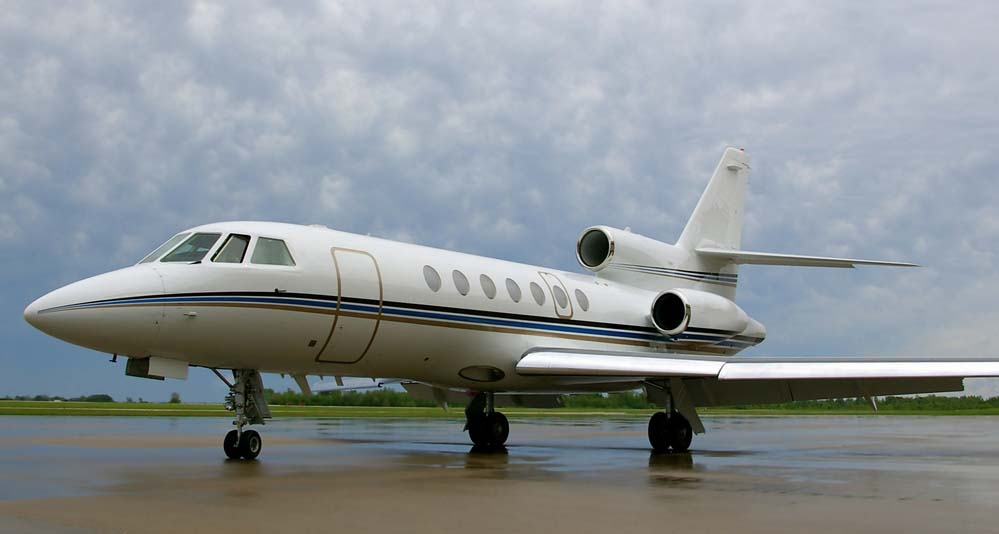
Handling and maintenance introduce another layer of exposure, even when performed by experienced professionals.
- Equipment-related damage during servicing
- Errors during inspections or repairs
- Miscommunication between service providers
These scenarios are part of normal aircraft upkeep. While they’re often manageable, they highlight how risk continues even when the aircraft isn’t actively in use.

In Flight
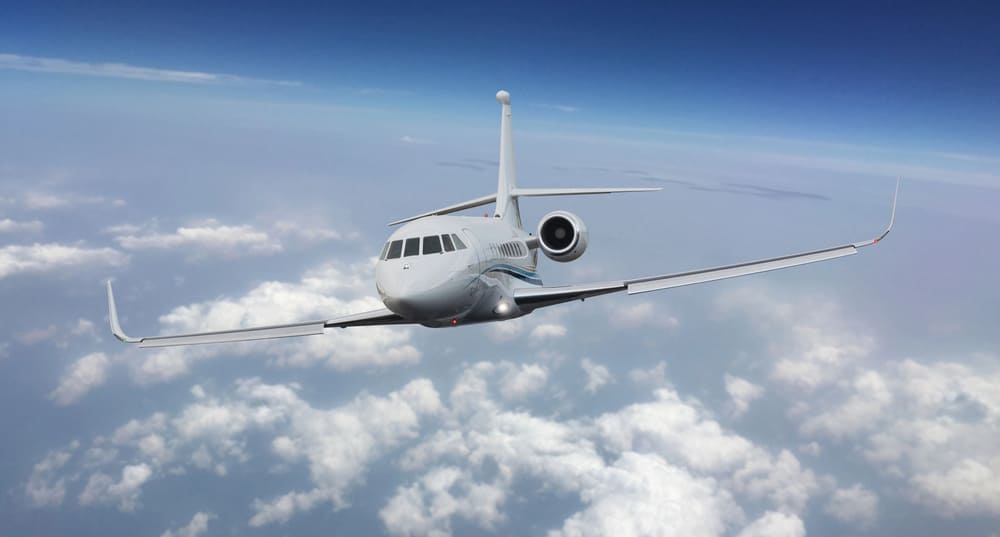
In-flight incidents are less frequent than ground-related events, but they tend to involve more significant consequences.
- Weather-related encounters
- Mechanical issues
- Operational factors
While these risks are critical to account for, they represent only one portion of overall aircraft exposure—and not always the most common source of damage.
Why Different Risks Require Different Types of Coverage
Each stage of aircraft use introduces a different type of risk. That’s why aviation insurance is structured around multiple forms of protection rather than a single, all-encompassing policy.
- Physical damage coverage helps protect the aircraft itself
- Liability coverage addresses injury or damage involving third parties
- Ground-related exposures may require specific considerations depending on how the aircraft is stored or handled
In many cases, certain types of coverage or minimum limits may be required by airports, fixed-base operators (FBOs), lenders, or international regulations. These requirements establish a baseline for operating—but they don’t always reflect where damage is most likely to occur.
Many common, everyday incidents—such as ground handling damage or weather exposure during storage—fall outside the assumptions behind minimum requirements. Working with a provider that specializes in aircraft insurance can help ensure coverage aligns with real-world exposure, not just operational minimums.
Not Sure If Your Coverage Matches Your Risk?
Review how your current policy aligns with real-world aircraft exposure.
How Requirements and Expectations Vary
Aircraft insurance isn’t only shaped by risk—it’s also influenced by operational requirements.
- Airports or fixed-base operators (FBOs)
- Lenders or leasing agreements
- International travel regulations
These requirements typically focus on specific types of coverage and minimum liability limits needed to operate in certain environments, often including public liability insurance or similar protections.
Meeting these requirements is essential—but it’s only part of the picture. Many of the most common sources of aircraft damage occur during routine, day-to-day activities that may not be fully reflected in minimum standards.
That’s why coverage decisions often go beyond compliance. A more complete approach considers how the aircraft is actually used, where it is stored, and how it is handled on a regular basis.
Choosing Coverage Limits That Reflect Real-World Risk
Having the right types of coverage is only part of the equation. The amount of coverage matters just as much.
- Aircraft value and repair costs
- Frequency and type of use
- Passenger and third-party exposure
- Locations where the aircraft operates
Rather than relying on default or minimum limits, many owners evaluate these factors alongside broader coverage considerations, including in-flight insurance and ground-based protections, to better align policies with actual exposure.
Building a More Complete Protection Strategy
A well-structured aviation insurance plan accounts for the full lifecycle of aircraft use—from storage and handling to active flight.
- Identifying where risk occurs most often
- Matching coverage types to those scenarios
- Adjusting limits based on operational realities
Aircraft owners who take this approach—often with guidance from experienced aviation insurance professionals—are better positioned to maintain consistent protection across all phases of use.
Aircraft risk doesn’t start at takeoff and end at landing. It exists across every stage of ownership, often in routine situations that don’t draw much attention.
Understanding where aircraft damage happens most often makes it easier to build coverage that reflects real-world conditions—so protection keeps pace with how the aircraft is actually used.
Ready To Strengthen Your Aviation Coverage?
Explore a more complete approach to protecting your aircraft and operations.
For informational purposes only.
Ranked Among the Best

We’re proud to have been named in Inc. 5000 fast growth list alongside other growing, inspiring companies.