
How Advanced Cabin Technology Is Changing Long-Range Private Aviation
Jul 15, 2026
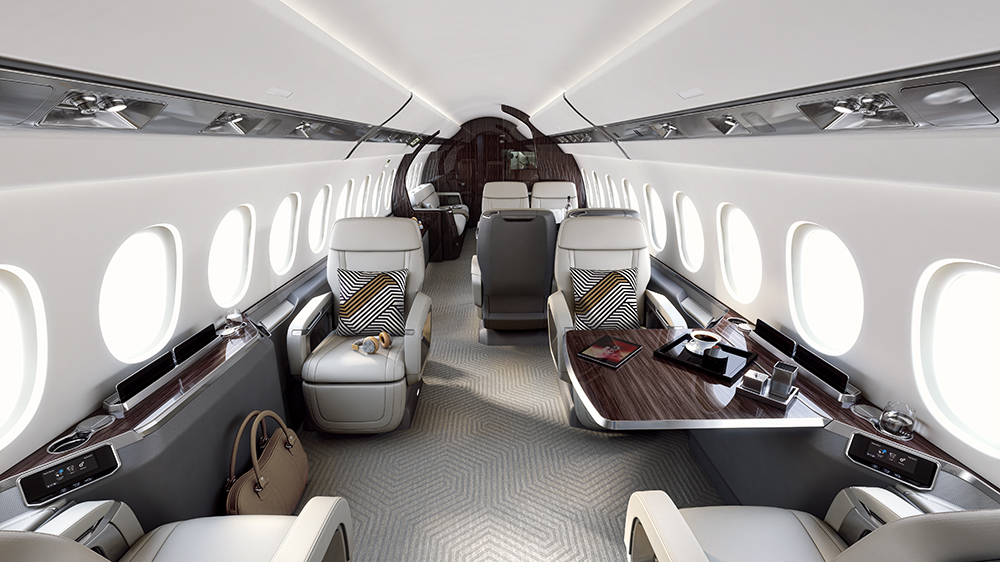
- Newer long-range business jets use lower cabin altitudes to reduce some of the physical strain associated with spending extended periods in flight.
- Fresh-air circulation, filtration and humidity management can make the cabin environment more comfortable during long trips.
- Circadian lighting and advanced wing designs are intended to support rest and improve the overall passenger experience.
- Owners who purchase an aircraft with advanced cabin systems or complete major upgrades should make sure the aircraft’s insured value reflects its current configuration.
Range and speed remain major considerations when choosing a business jet, but aircraft manufacturers are also paying closer attention to what happens inside the cabin during a long flight. Newer aircraft are being designed not only to travel farther, but also to make the hours spent in the air more comfortable for passengers and crew.
Aircraft such as the Bombardier Global 8000 and Gulfstream G700 and G800 combine low cabin altitudes with advanced air management, customizable lighting and quieter, more stable interiors. These technologies cannot eliminate the disruption caused by crossing multiple time zones, but they may reduce some of the physical discomfort associated with ultra-long-range travel.
For private jet owners and flight departments, these features can influence aircraft selection, passenger expectations and the value of the aircraft itself. Understanding how they work can make it easier to compare newer models and determine which cabin features are most valuable for a particular mission profile.
Why Lower Cabin Altitudes Matter
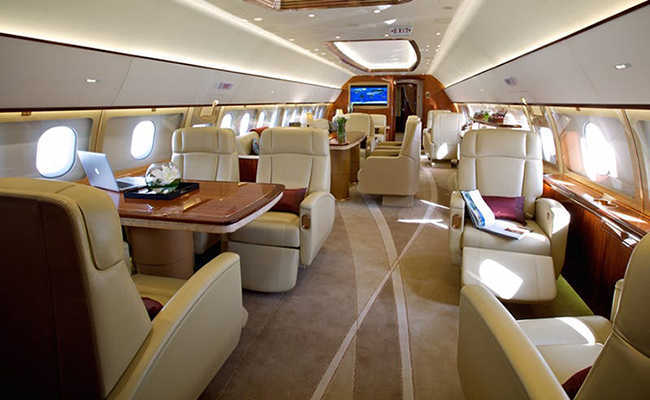
An aircraft’s cabin altitude describes the atmospheric pressure passengers experience inside the cabin, rather than the aircraft’s actual altitude. Although a business jet may be cruising above 40,000 feet, its pressurization system maintains conditions similar to those found at a much lower elevation.
Many commercial airliners and older corporate aircraft maintain cabin altitudes between approximately 5,000 and 8,000 feet during cruise. At higher cabin altitudes, reduced atmospheric pressure means the body receives less oxygen with each breath. For most healthy passengers, this does not create a serious medical concern, but it can contribute to headaches, tiredness and general discomfort during a long flight.
Some of the newest long-range business jets are designed to maintain much lower cabin altitudes:
- Bombardier Global 8000: Maintains a cabin altitude of 2,691 feet while cruising at 41,000 feet, which Bombardier identifies as the lowest cabin altitude among business aircraft currently in production.
- Gulfstream G700 and G800: Combine low cabin altitudes with quiet interiors, large windows and fresh-air systems designed for long-range passenger comfort.
Maintaining pressure equivalent to a lower elevation may reduce some of the physiological strain associated with extended flights. Passengers may experience less dryness, fatigue and discomfort, although individual responses can vary based on health, hydration, sleep and the length of the trip.
Fresh-Air Circulation and Cabin Air Quality
Aircraft cabins are known for being dry environments. Spending several hours in low humidity can contribute to dry eyes, irritated skin, thirst and other discomfort. Newer cabin systems are designed to improve air circulation while filtering particles and managing humidity more effectively.
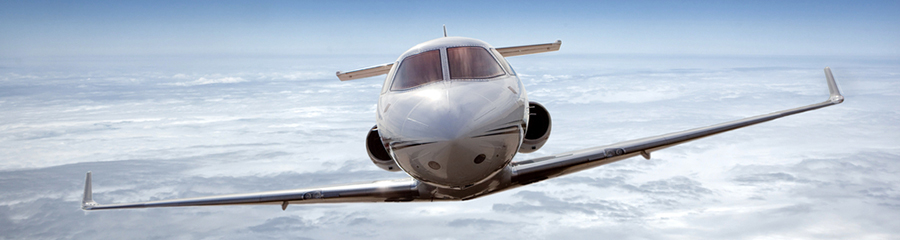
Bombardier’s Pũr Air system can replace the cabin air with 100% fresh air in as little as 90 seconds. Its filtered recirculation setting is also designed to preserve more cabin humidity than a fresh-air-only system. The Gulfstream G700 and G800 use 100% fresh, plasma-ionized air that is renewed every two to three minutes.
These systems do not remove the need to stay hydrated during a long flight, but faster air exchange and improved filtration can create a more comfortable cabin environment. For owners who regularly complete international or coast-to-coast missions, air management may be an important factor when comparing aircraft.
Has Your Aircraft Changed Since Your Last Insurance Review?
Major cabin upgrades and newly installed systems may affect your aircraft’s value. Review your aircraft insurance to make sure your policy reflects its current equipment and configuration.
How Circadian Lighting Supports Long-Range Travel
Crossing several time zones can disrupt the body’s circadian rhythm, which regulates sleep and wake cycles. Cabin technology cannot prevent jet lag entirely, but programmable lighting may help passengers begin adjusting to a destination’s schedule while they are still in the air.
Bombardier’s Soleil lighting system uses dynamic daylight simulation and is integrated with the aircraft’s flight management system. It can gradually adjust the cabin lighting based on the flight and destination. The Gulfstream G800 also offers lighting options that use circadian rhythm technology to help passengers ease into new time zones.
Instead of leaving the cabin at the same brightness throughout the flight, these systems can create gradual transitions that resemble sunrise, daylight, sunset and nighttime conditions. This allows passengers to create a cabin environment that better supports working, dining or resting during different portions of the trip.
Advanced Wing Design Can Improve Ride Quality
Cabin comfort is not determined solely by lighting and air pressure. The way an aircraft responds to turbulence can also affect whether passengers are able to work, rest or move comfortably throughout the cabin.
Bombardier’s Smooth Flĕx Wing is designed to flex and absorb some of the movement caused by turbulence before it reaches the cabin. The manufacturer compares the technology to a shock absorber, with the wing responding to changes in the air to create a smoother experience inside the aircraft.
A smoother ride cannot eliminate turbulence, and pilots must still avoid unsafe conditions whenever possible. However, advanced wing engineering can reduce how strongly routine in-flight movement is felt by passengers, particularly on long missions where even minor discomfort can become tiring over time.

What Advanced Cabin Technology Can and Cannot Do
Manufacturers often describe advanced cabin systems in terms of wellness, productivity and arriving refreshed. These technologies can improve the in-flight environment, but their benefits should be viewed realistically.
| Cabin Technology | Potential Passenger Benefit |
|---|---|
| Lower Cabin Altitude | May reduce some of the physical strain and discomfort associated with higher cabin altitudes |
| Air Filtration and Renewal | Improves air circulation and helps remove airborne particles from the cabin |
| Humidity Management | May reduce some of the dryness commonly experienced during long flights |
| Circadian Lighting | Allows cabin lighting to support planned periods of work, rest and adjustment to a new time zone |
| Flexible Wing Design | May reduce how strongly routine turbulence is felt within the cabin |
These features may make a long flight more comfortable, but they do not replace adequate sleep, hydration or thoughtful trip planning. Circadian lighting may support adjustment to a destination’s time zone, for example, but it cannot completely prevent jet lag after a major time change.
Owners should also distinguish between manufacturer claims and guaranteed outcomes. The way a passenger feels after a flight will depend on the aircraft, flight length, weather, personal health and many other factors.
What Private Jet Owners Should Consider
Not every owner needs the same level of cabin technology. Someone who primarily completes short domestic trips may place less value on ultra-low cabin altitude or circadian lighting than an operator who regularly flies international missions lasting 10 hours or more.
Before purchasing a newer aircraft or planning a cabin upgrade, owners should consider:
- The typical length and altitude of their flights
- How often passengers need to work or sleep onboard
- The aircraft’s air filtration and humidity-management capabilities
- Whether advanced lighting or ride-quality features are standard or optional
- The maintenance requirements associated with new cabin systems
- How upgrades may affect the aircraft’s value and future resale appeal
Cabin technology should support the way the aircraft is actually used. A feature that provides meaningful value on frequent long-range missions may offer less practical benefit to an owner whose flights are usually only a few hours long.
How Cabin Upgrades May Affect Aircraft Insurance
Advanced cabin systems are primarily designed to improve the passenger experience, but they can also become part of an aircraft’s overall value. Factory-installed equipment, upgraded interiors and completed retrofits should be accurately documented when reviewing the aircraft’s hull valuation.
An agreed hull value that was established before a major cabin renovation may no longer reflect the aircraft’s current configuration. Owners should retain invoices, installation records, equipment lists and other documentation that shows what was added and how much the work cost.
Once the project is complete, review the updated aircraft value with an aviation insurance broker. This can help determine whether the existing aircraft insurance policy still reflects the aircraft as it is currently equipped.
The Cabin Is Becoming Part of the Aircraft’s Performance
For years, business jet performance was discussed primarily in terms of speed, range, altitude and runway capability. Those measurements still matter, but the passenger environment has become an increasingly important part of how owners evaluate long-range aircraft.
Lower cabin altitudes, faster air renewal, adaptable lighting and smoother ride characteristics can make extended missions more manageable. They may help passengers use their time onboard more comfortably, whether they need to work, rest or arrive prepared for what comes next.
As these systems become more common, private jet owners will need to look beyond how far an aircraft can fly and consider how effectively its cabin supports the people making the trip.
Ready to Review Your Aircraft Insurance?
Aircraft acquisitions, cabin renovations and newly installed equipment can all affect insurance planning. Let Avion Insurance review your aircraft insurance policy to help ensure it reflects your aircraft’s current value, configuration and use.
For informational purposes only.
Ranked Among the Best

We’re proud to have been named in Inc. 5000 fast growth list alongside other growing, inspiring companies.